


Articles and guides
Practical advice, ingredients and stories about solid cosmetics.
In-depth guides
Choose a topic and find practical answers.





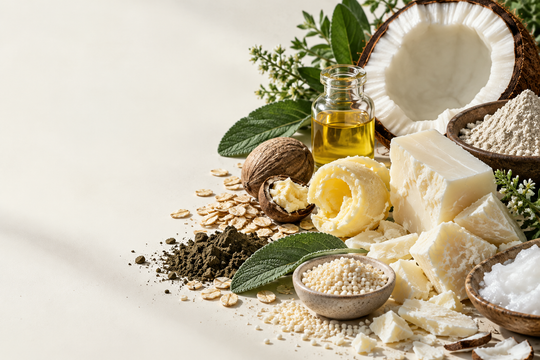
Ingredient Atlas
Ingredient origins, textures and practical answers about cosmetic labels.
Read the guide

Solid Cosmetics School
Practical lessons for using, storing and travelling with solid cosmetics.
Read the guide
Which One? Comparison Studio
Clear comparisons for the cosmetics you use, the routines you enjoy and the gifts you give.
Read the guide

Gift & Gifting Encyclopedia
300 articles about thoughtful gifts: people, occasions, traditions, beautiful presentation and words that feel like you.
Read the guide
Body Cleansing Explained
Does your skin feel tight after the towel? Are you choosing a bar, or wondering where to put it when it’s wet? Start with the part of the shower you’d like to make easier.
Read the guideArticles: 1444

Ingredient Atlas
Ethylhexylglycerin
A longer name changes glycerin’s material story. Ethylhexylglycerin brings two different molecular regions together, leading into skin-feel uses and a useful partnership with phenoxyethanol in preservation research.

Ingredient Atlas
Citric acid
Citric acid suggests a cut lemon, yet commercial crystals often begin in fermentation. Following sugar conversion, recovery and dissolution reveals an ingredient whose quiet work concerns the watery chemical conditions…

Ingredient Atlas
Cocoa butter
A cacao pod grows against the tree’s trunk, with seeds packed into sweet pulp inside. Their journey through fermentation, drying and pressing gives two materials with different lives: cocoa powder...

Ingredient Atlas
Coco-caprylate
A firm body bar gives way to a spreading layer during a stroke. Coco-Caprylate helps explain that moment through ester chemistry, a prepared liquid and the grade choices hidden behind...

Ingredient Atlas
Ceresin
A refined wax may look plain in its bag, yet its grade reflects careful texture choices. Ceresin helps connect those choices with a balm that holds together and still moves.

Ingredient Atlas
Charcoal powder
A black bar shows you charcoal’s colour immediately. Its less visible story is the prepared carbon surface inside those dark particles.

Ingredient Atlas
Cetyl alcohol
On a conditioner label, Alcohol can name a waxy supporting material. Cetyl alcohol helps explain why a long chemical name can hide a familiar, cushioned feel.

Ingredient Atlas
Carnauba wax
A coating on Brazilian palm leaves becomes a remarkably firm wax. In a balm, its most useful story is how that firm material supports softer neighbours.

Ingredient Atlas
Atlas cedarwood essential oil
Atlas cedarwood can suggest a warm timber room or freshly opened wooden drawers. Follow the scent back far enough and the tree comes into view, along with a serious sourcing...

Ingredient Atlas
Castor oil
Castor oil moves with a slow, glossy character that makes viscosity easy to picture. Follow its patterned seed into the prepared oil, then into cosmetic tasks such as distributing pigment...

Ingredient Atlas
Caprylic/capric triglyceride
A long label name hides a simple material question: how do you give a solid bar a smooth, spreading stroke?

Ingredient Atlas
Caffeine
Caffeine’s prepared crystals are white and odourless, a surprising distance from a dark cup of coffee.




